
How to Make Medical Preparedness less Painful
Medical Self-Reliance in an Emergency
If and when an emergency kicks off in the UK, access to our health service and emergency fast responders will be limited, non-existent (full collapse) or inaccessible (roads blocked etc). Any mass-casualty disaster, or system-collapse would make pre-emptive medical preparedness a critical aspect of your prepper plan.
I’m hoping this article will guide you through the essential medical supplies you need to handle the most common injuries and health issues you’ll likely face in the UK, when NHS or ambulance help is unavailable.
I’ve also done another guide on medical skills and techniques to learn ahead of time, so jump over there once you’ve compiled and checked your first-aid kid. I’ll also stick a link at the bottom of this article.
In this article however, I’ll even build a list for a comprehensive first aid kit. Hopefully I’ll cover everything you need to know to keep yourself and your loved ones safe and healthy during a crisis
The Everyday Value of Medical Preparedness, Training and Equipment
For preppers, having basic medical training and some equipment is invaluable even if a full-blown disaster never occurs. Everyday accidents or health emergencies can happen anytime, ranging from things like nasty cuts and burns to more severe incidents like fractures or cardiac arrest. Hopefully with basic medical preparedness and a bit of medical training, you should be able to confidently respond in these situations.
This’ll enable you to provide immediate care that (fingers crossed) prevents complications and saves lives. Medical emergencies can obviously occur anywhere at any time, but while you may not have any stockpiled supplies with you, your knowledge and ability to improvise gear will always be with you.
At home, equipped with a well-stocked first aid kit, you should be able to handle or significantly improve the majority of at-home medical emergencies. Going out for the day or short break, you can pickup your medical gear and be prepared during travel, or outdoor activities. Thus, being prepared isn’t just about disaster scenarios; it’s about ensuring safety and prompt care in our daily lives.
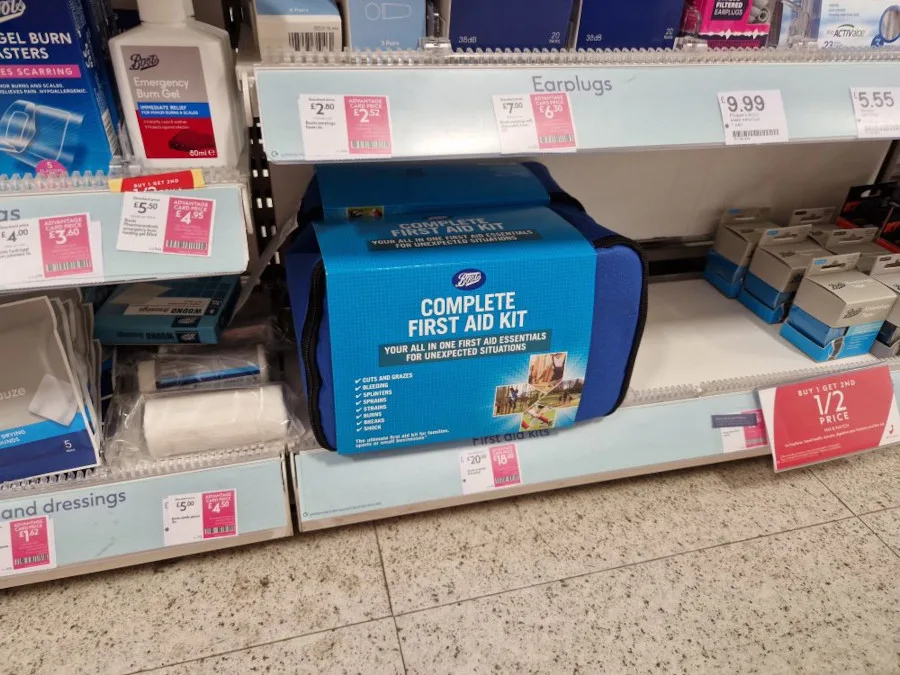
Medical Preparedness and First-Aid Supplies
A Preppers Must-Have Medical Supplies
When it comes to preparedness, having the right medical supplies on hand can make a huge difference. Hopefully any issue will be minor, but even if it’s a more serious health crisis, being equipped with these essential medical supplies means you’ll be able to provide immediate care. Speed is obviously crucial not only in large-scale disasters but also in everyday situations where timely intervention can prevent complications and save lives. I’ve put together this list of must-have medical supplies every prepper should include in their emergency kit. Thankfully while assessing my own medical preparedness, I noticed I was missing a few items, so managed to pop out and got them from a nearby supermarket (Asda) and a local pharmacy. Simple!
The kit:
- Core ‘First Aid’ Kit: A well-stocked first aid kit should make up the foundation of your medical preparedness.We’ll cover it in more details below, but it should include a variety of bandages, antiseptics, pain relievers, and other basic supplies. These items are essential for addressing common injuries such as cuts, scrapes, and minor burns. Ensuring your first aid kit is comprehensive and regularly updated can help you respond quickly and effectively in various situations, but don’t forget you also need to know HOW and WHEN to use the contents
- Prescription Medications: Make sure you have an adequate supply of necessary prescription medications, such as drugs for diabetes, asthma, or any heart disease. While the first aid kit can be kept indefinitely, you’ll need to have a rotation system in place to ensure prescription meds are up-to-date and not close to expiration. Having a reserve of these medications could literally be lifesaving, as access to pharmacies will be hugely restricted during an emergency.
- Over-the-Counter Medications: After prescribed meds, stocking up on medications for common minor ailments is key, such as pain relievers (e.g., paracetamol, aspirin and ibuprofen), antihistamines (for allergic reactions), and anti-diarrheal medications. These cheap and easily obtained meds can help manage symptoms of minor illnesses and discomforts, providing relief and preventing minor issues from escalating into serious problems. Remember here in the UK you can only buy 2 packets of painkillers at a time, so drip feed their purchase into your supplies.
- Wound Care Supplies: While some of this will be in your first aid kit, make sure you have ample supplies of sterile gauze, adhesive tape, antiseptic wipes, and antibiotic ointment for treating cuts and scrapes. Proper wound care is critical in preventing infections, which can become severe if not managed correctly. You don’t want medical complications after a minor injury because you didnt sterilise and cover a small wound.
- Medical Tools: Now any first-aid kit worth its salt is going to have the majority of these items, but if not, grab yourself tools such as tweezers, scissors, a thermometer, and potentially even items like a blood pressure cuff. Tweezers and scissors are essentially for successfully removing debris and cutting dressings, while a thermometer helps monitor fever (which can be a sign of infection). If known hypertension or other cardiovascular conditions are something of concern, a blood pressure cuff is valuable in your supplies too.
- Personal Protective Equipment (PPE): While we’re not talking PPE for airborne pathogens or NBC fallout, you should have sufficient stocks of masks, gloves and maybe even some eye protection. This’ll all help to prevent infection and handle medical situations a bit more safely. This is especially important when dealing with blood (or bodily fluids!), as it helps protect both the caregiver and the patient from potential infections. As we’ve seen oh so recently, during pandemics and outbreaks, PPE is crucial for reducing the spread of contagious diseases.We’ve also seen that the first hint of airborne or contagious infections see’s a collapse of the PPE supply chain, so get some now!
- Reference Materials: While I can’t imagine being calm enough to flick through a book, including a first aid manual or medical reference guide for quick, reliable information during emergencies is a good idea. In fact getting a decent first-aid manual is probably core medical preparedness. Having a guide on hand can provide step-by-step instructions for dealing with medical issues you may not be familiar with. A good book or guide could become an invaluable resource, helping you make more informed decisions and administer action under pressure.
Incorporating these sort of items into your emergency prepper kit ensures you are well-equipped to handle a significant amount of medical situations. Regularly check and update your supplies to keep them current and effective. By being prepared, you can provide immediate care that can prevent complications, reduce suffering, and save lives, whether in a disaster or everyday emergencies.
What goes into a basic First Aid Kit
While you can purchase pre-made first aid kits, its well worth knowing yourself hwo to put one together. This’ll make sure you know and appreciate what each component looks like, how it functions and how much of it you’ve got.
Combing my experience with recommendations from the NHS, St Johns Ambulance (SJA) and some travel blogs, you should make sure your home-made or purchased first-aid kit contains:
- Adhesive Bandages (multiple sizes and shapes)
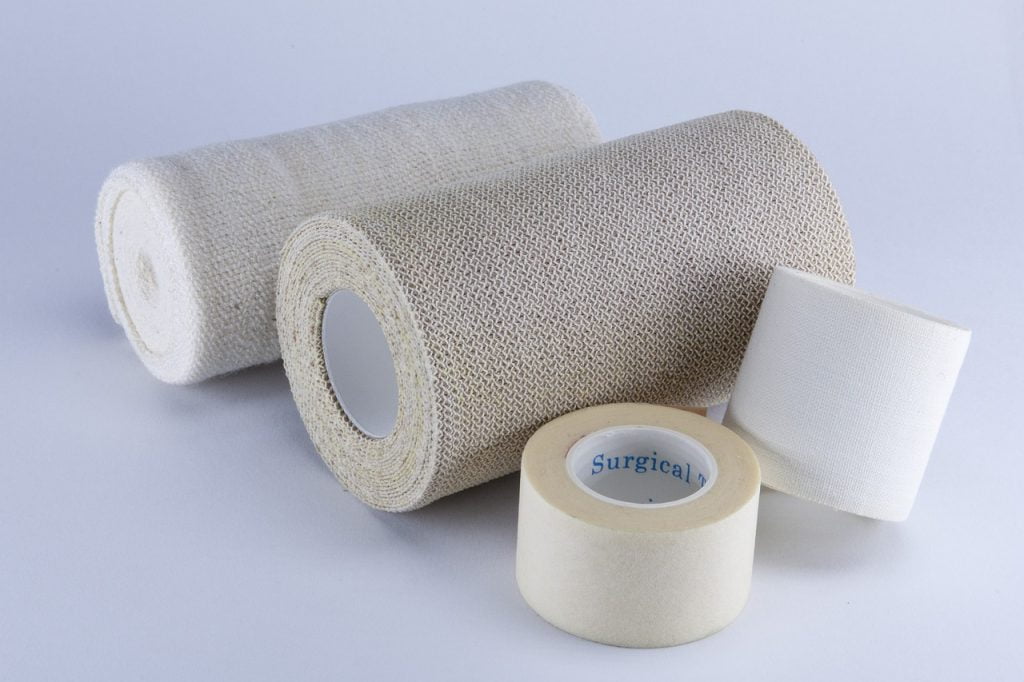
- Elastic Bandages (aka Ace bandages, for sprains etc)
- Sterile Gauze Pads
- Pain Relievers (aspirin, ibuprofen, paracetamol)
- Antihistamines and Hydrocortisone Cream (for allergic reactions etc)
- Prescription Medications (specific to your own needs)
- Anti-diarrhea tablets and hydration salts
- Adhesive Tape and Safety Pin
- Antiseptic Wipes and Alcohol Swabs
- Antibiotic Cream or Spray
- Tweezers and Scissors
- Tourniquet
- Butterfly Closures (for small wounds)
- Disposable Gloves and Mask
- CPR Face Shield
- Instant Cold Packs
- Digital Oral Thermometer (spare battery)
This will make a pretty great starter first-aid kit. Knowing how to use these items (see our article on medical awareness and training) will be crucial in any doomsday, emergency or mass-casualty event.
Expanding Upon your Basic Medical Preparedness
Wondering what you can pack to take your first-aid kit to the next level?
If you’re planning to survive for longer without outside medical services, you’ll need to pack some extra gear. This’ll also go along way to diversifying your kit, meaning you’ll more likely be able to treat a greater variety of ailments.
Everything listed below should be seen as additional to the core first aid kit we’ve listed above. So get those items first!
- Additional bandages, sterile gauzes and sterile dressings
- Additional saline solution (for wound irrigation)
- A well researched / reviewed first aid manual
- An EpiPen
- Bags marked as biohazard (for disposing of medical waste)
- Burn Cream
- Eye Wash Solution and Eye Pads
- Finger Splints / Splint Kit
- Triangular Bandages (for slings and splints)
- Medical Superglue
- Thermal Blanket
- Blood Pressure Cuff
- Glucose Tablets (for diabetic emergencies)
- Activated Charcoal Tablets (for poisoning)
- Hemostatic Agents (to control bleeding)
- Surgical Blades and Sutures (only for those trained in their use)
If you want to prep for longer periods, handling potentially larger scale, or mass-casualty events, think about:
- Increasing the number of tourniquets and thermal blankets to 3 and 5 respectively
- Taking additional hemostatic agents
- Larger quantities of saline solution, bandages, gauze and dressings
- More Butterfly Closures (for small wounds)
- Additional Disposable Gloves and Mask, as well as aprons and a face shield
Links


Post Comment
You must be logged in to post a comment.