
A Simple Guide to Identify Your Prepper Type
So you’ve come to the realisation that prepping is not only a sensible solution, but one that is quickly becoming more relevant day by day. Long gone are the days where preppers were seen as paranoid or quirky loners; now its more alarming if you and your family have not considered the need to prep.
Introduction to Preppers
What is a Prepper?
Prepping, simply from the term ‘preparing’, is the term used for someone who has decided to take proactive steps in planning and protecting themselves, their family and maybe their home, from pending future emergency. Preppers accumulate supplies, develop their knowledge and skills, as well as create plans to handle a range of potential disasters, from natural calamities to man-made crises.
Think the UK is safe from those sort of emergencies? Well in the last decade alone, UK has seen a significant rise in both natural disasters (floods, heatwaves, diseases) as well as man-made disasters (city-wide riots and looting, acts of terrorism and bio-weapons, society-wide events). That doesn’t even include one-off events such as being dragged into wars, solar-wind mega-surges and brownouts, hostile-takeovers, fallout from mega-volcanic eruptions etc.
Preppers are people who have just taken note of the world around them and realised they can take simple steps to protect themselves and their loved ones from events that hopefully, never come to fruition.
Importance of Prepping in the UK
Some people may ask, is prepping important for UK people in 2024? While until recently the UK has been generally considered a safe and stable country, it is definitely not immune to emergencies by any stretch of the imagination. Deadly widespread floods, severe storms, and public health crises like the COVID-19 pandemic have highlighted the need for preparedness, and the occurrence of these events is only increasing. These emergencies and hindsight have shown us how these lethal rare events cause a rapid but significant collapse of local and national capabilities to deal with such events.
Being prepared simply ensures that individuals and families can cope with disruptions, maintain their safety, and hopefully support their communities during challenging times. They take the onus off waiting for the local government or emergency services to help you (if they can even get to you) and put that control back in the preppers hands.
You have to ask yourself, if an event has caused you to be in need of aid or help, alongside 30,000 other people in your local area, do you realistically think any assistance will come?
When should you start prepping?
Odds are, if you’re asking yourself that question, and reading this page, you’re already a beginner prepper anyway. In fact we could argue most people in the UK are preppers, just they don’t see themselves that way.
Let’s ask you some quick questions:
- Do you have a first aid kit or cabinet for medicine, just in case you have an accident?
- Have you got a trusty EDC or multi-tool nearby?
- Do you have some spare tins or packets of food for when you forget to pop to the shops?
- Do you have a torch for if the power goes out?
All the points above are you preparing for a few hours of inconvenience, or a bad day. Well what happens if that power doesn’t come back on in a few hours? Or those shops can’t re-open?
As we saw during COVID, smaller societal problems involving food and fuel supplies quickly escalated because people panic and stricken supply lines get quickly overwhelmed. It doesn’t take much for the tower of dominos to come crashing down.
That’s what you need to begin prepping for.
How to become a prepper prepping?
First off, you need to ask yourself a serious of simple questions to find out what YOU mean by being a prepper.
In the future, we’ll use these answers to help you produce your own Plan, to survive The Event, but for now, just scribble down your answers. Hopefully these seven prompts will raise further questions or concerns, make a note of those too!
1. What are you prepping for?
Sounds silly, but it is the linchpin in every decision you’re going to make. Maybe you’re preparing for the power to go down for 72 hours, or perhaps county-wide flooding, maybe it’s some sort of repercussions for Britain’s military overstepping the mark somewhere in the world.
What about a biological agent being released accidentally (or intentionally) on an RAF base, or a company like Thames Water announcing their water treatment plants have been contaminated, or BT / OpenReach systems going offline.
What if a nation or terrorist group targets Hinkley Point B, or Sizewell?
How about extreme weather closing the country’s ports, and the underlying logistic network of the country collapsing.
Prepping doesn’t need to be for an alien invasion, world war 3 or some biblical level event. Modern day history has shown us our society is already so fragile it won’t take much for an event to have disastrous consequences (for those unprepared people). If you’re stuck for what potential disasters could hit the UK, check out our UK disaster list.
2. Who are you prepping for?
If this sounds like a stupid question, the answer is probably, just yourself! But what about us with a young family, or an elderly dependant? Do you need to take into account pets?
You also need to consider where these people are going to be. Kids or adults, theres a good 30-40% chance they’ll be at school or work when a disaster starts to unfurl.
The more people in your PLAN, the more resources required in an emergency, but there’s also many benefits to having more hands in an emergency.
3. Where are you prepping?
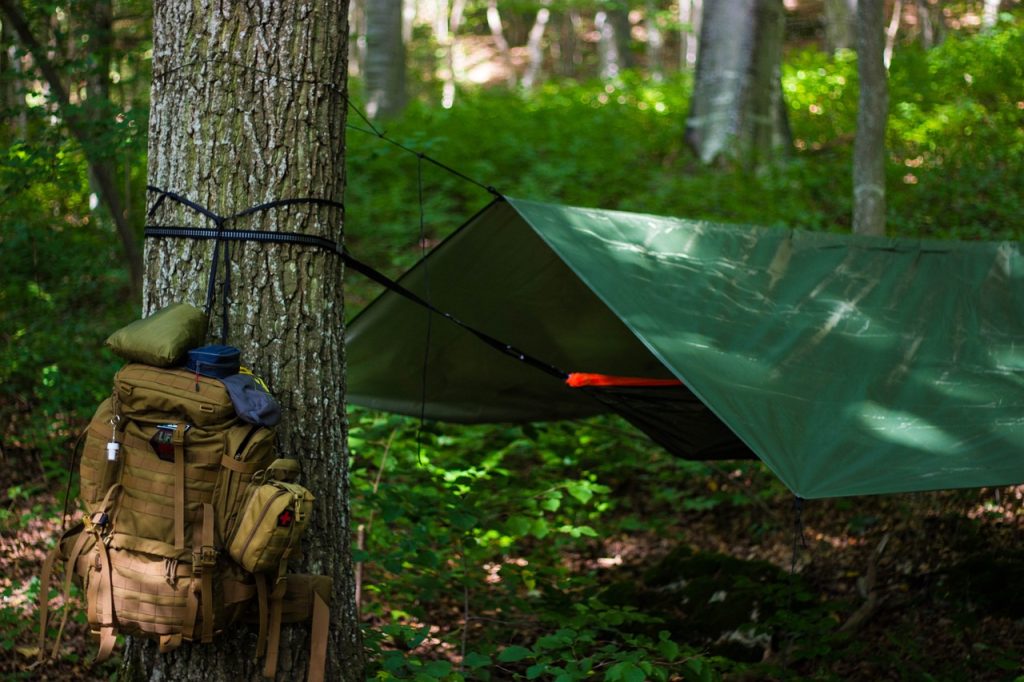
Now we don’t mean where are you going to make your plans, or where you order your items to, we mean where is your ‘base’ for riding out the emergency.
For most people that’ll be your home. Or maybe it’ll be a caravan or second property you own. Maybe it’ll be a loved ones home, or a wider family members property.
Where it is, compared to where you’ll likely be, defines a lot about what you’ll need to acquire beforehand. Also it’ll change what and how much you can store before any emergency.
Have you got a plan for getting to your ‘base’ if you’re at work, the shops, cinema or out of town? Don’t forgot roads may be easily swamped in traffic, or water or snow.
4. How long are you prepping for?
Do you believe the local or national infrastructure can recoup and get functional again after 72 hours? Will the floodwaters have receded after a week, or the toxic ash cloud passed? What about longer term military fallout (literally and figuratively), or prolonged heat waves? What about nation wide diseases or viral outbreaks?
Remember its not just The Event you’re prepparing for, its the time it takes core infrastructure to get up and working again, and for scared mobs of unprepared people to stop panic buying or raiding resupply convoys.
It is quite common, especially when starting out prepping, to plan and stockpile for a 72 hour duration to withstand an emergency situation. Both the UK governments ‘Prepare Campaign‘ and the American CDC can be referenced as suggesting you prepare for 72hours, at least.
5. How do you want to survive
What we mean by this, is what level or quality of life do you want during and after the emergency event. If you’re looking to prep for just a few days or a week, maybe you’re fine with the very basics.
What about those of us looking to prep for 3 months, or a year? Or maybe to survive and thrive after a nation wide cataclysmic Event.
While some people could mentally cope woth the basics over a prolonged period of time, most cannot. On top of being busy just surviving in such a dire scenario, you may well also be processing the horrors of societal collapse, the almost certain prospect of mourning friends and family, as well as the burden of an unknown future.
Having certain, carefully chosen items that can boost your quality of life, may literally save your life (or mental faculty at least).
5. How long can you spend prepping?
One thing to get your head around, is that prepping is a mindset as well as a physical activity. Prepping is something you continually work at, building and evolving your solution until its needed upon.
Maybe your busy life means you can only take a small step now, setting up and covering the very basics. Hey it’ll still put you in an infinitely better place than those who haven’t taken a step. Those people are the ones left picking up scraps at the supermarkets, or getting stuck in mile-long tailbacks because petrol deliveries cant make it through the floodwaters.
And the best thing about having time before an emergency, you can train and upskill, usually for free. In fact upskilling is so crucial, we put an article together all about skills needed for disaster prepping [LINK]. The only resource upskilling and becoming wiser definitely consumes, is time!
6. How much can you afford when prepping?
While prepping isn’t expensive per say, like most activities, having more money available to divert to your plans increases your options drastically. Remember you’re preparing for something that hopefully never occurs, but when it does occur, it could literally cost your everything that you held back during prepping.
Saying that, it doesn’t cost much to prepare for those short spanning emergencies. You can totally be frugal, cut (the correct) corners and be cautious where you spend your pennies. Hopefully our site will save you a tonne of money when we compare products, review items and point out different strategies.
Maybe you have a bit more money to divert to being prepared, in which case you can reap the benefits of economies of scale when purchasing goods, purchase more tools and equipment, as well as likely have access to larger storage.
But ANY amount of money you spend now is likely to be worth ten or hundred fold when shops shut, food lines are crippled, petrol runs out or its dangerous to go outside.
Questions Answered – Now What?
So you’ve answered these seven questions, hopefully you have a btter idea of what type of prepper you are. You’ll know what you’re prepping for, who you’re prepping for, what resources (including time) you have available and how long your disaster prep is to cover.
Now you know what prepper type you are, what do you need to do next?
Time to Bug Out
The next step is to start focusing on your Plan, but while you’re doing that, you need a temporary solution. While you’re putting your Plan into action, you need a quick solution. Even when you have your Plan operational and your offside secondary sage house is full of canned spam, you’ll still need a portable solution!
All those factors can be fulfilled with a bug-out bag. Small, portable and full of just the essentials.
Start the Plan
Well, hopefully you’ve started taking notes from this articles prompts, all ready for your Plan. Now its probably a good idea to read our post, Step-by-Step Guide to Creating Your First Emergency Plan [LINK]


Post Comment
You must be logged in to post a comment.