Packing a Bug-Out Bag: What You Need to Survive
As a new prepper in the United Kingdom, creating a bug-out bag (BOB) is an essential step in preparing for any unexpected situation that may arise. A BOB is a portable kit that contains essential items to help you survive for at least 72 hours in case of an emergency, such as a natural disaster like a widespread flood, a power outage, or even a terrorist attack.
Importantly, a bug-out bag is something you can physically grab and get out in a hurry.
In the United Kingdom, a bug-out bag, stemming from WW2-era military jargon, also goes by the name of a go-bag, a grab-bag, or a SHTF-bag (you can google that acronym).
We’re going to cover why you need a bug-out bag, what you should pack in it, where you should store it and some additional factors.
Why do you need a Bug-Out Bag
By having a well-stocked BOB, you’ll be able to navigate most challenging situations with confidence, knowing that you have the necessary supplies to sustain yourself until help arrives or until you can find a safe shelter. In this article, we’ll guide you through the process of creating a comprehensive BOB, tailored to the UK market, covering the most critical items to include, such as food and water, first aid supplies, shelter and warmth, communication and navigation tools, clothing and personal hygiene essentials, and miscellaneous items like tools and sanitation products.
Whether you’re just starting out with prepping, or a seasoned prepper, this guide will provide you with the knowledge and expertise needed to create a BOB that’s specifically designed for the UK environment and meets your unique needs.
What should you pack in your bug-out bag?
First and foremost, you must remember that whatever you pack, you need to carry and transport. Some items, especially water or tents, are heavy. When you’re done preparing your bag, go for a 60 minute hike with it – still happy with it afterwards?
We’ve actually used a 3-tier suggestions system below, ranging from the very absolute minimum you should pack, to the basic, and up to a more enhanced tier. But remember, these items are highly recommended but are not a definitive list. You may, and perhaps should, also consider packing more survival items for emergencies.
So, for a 72 hour bug-out bag, you will need to pack…
1. Water and Food
Minimal:
- 3 litres of water, per person
- Energy bars and dried fruit
Basic:
- Increase it to 6 litre of water per person
- MREs (Meals Ready-to-Eat)
- Water purification filter or tablets.
Enhanced:
- A hydration bladder or collapsable water storage.
- Cans of food
If its nearing summer, aim to take more water per person. If it’s nearing the winter months, aim to take more calories. Don’t forget the UK has lots of accessible water, be it via springs or lakes, so purification solutions can go along way to minimising the amount of water you absolutely must travel with.
Also note this isn’t enough water or calories to sustain you for an extended period of time. This small amount is a balance between what you can carry easily in a bug-out bag, while also keeping you alive. To read about the amount of food and water you would need if you were staying in place, read our article [How Much Food and Water to Stockpile for a 72 Hour Emergency]
2. Shelter and Warmth
Minimal:
- Tarpaulin, with cords and pegs
- Bivvy / survival sack
Basic:
- Small lightweight tent
- Sleeping bag
- Camp Stove and fuel
- Mess tin / cup
Enhanced:
- Space blanket
3. First Aid Kit
Minimal:
- Medium and large plasters
- Antiseptic wipes
- Antibacterial gel
- Bandages
- Painkillers
- Prescription medications
- Personal medical equipment
Basic:
- Tweezers and scissors
- Antihistamines
- Burn and bite cream
- Tourniquet
- Medical gloves
Enhanced:
- Soap
- Sun cream
- Gauze
- Superglue
- Pre-made first-aid kit
4. Tools and Equipment
Minimal:
- Small torch (and batteries, removed)
- Pocket knife
- Lighter
- Whistle
- Paracord
Basic:
- Larger (but still lightweight) torch
- Additional batteries
- Multi-tool instead of a pocket knife
- Toilet paper
- Toothbrush and toothpaste
- Spork
- Candle
Enhanced:
- Duct tape
- Small collapsable hand saw
5. Clothing
Minimal:
- Waterproof coat
- Hat (suitable to season)
- Gloves (winter)
- Hiking boots / shoes
Basic:
- Socks and underwear
- Insulating layers
Enhanced:
- Waterproof trousers
- Additional tops and trousers
6. Miscellaneous
Minimal:
- Compass and local map
- Notepad and pencil
Basic:
- Mobile phone & portable charger / battery
- Spare copies of keys to your home / out-buildings / vehicles etc
Enhanced:
- Copy of passport / ID card
- Solar charger
- Small sewing kit
7. The bag itself
This goes without saying, but the go-bag itself must be sufficient in size to accommodate all the above bits you’ve acquired. Whether it’s a holdall or a rucksack, it must be strong and durable, waterproof and capable of withstanding rough conditions and heavy use. The material should be resilient against tears and weather elements to protect your contents.
Additionally, the bag must be comfortable to carry, with padded straps and an ergonomic design to reduce strain on your back and shoulders. This is crucial, especially if you need to travel long distances on foot. The bag’s size, strength, and comfort are key factors that will impact its practicality and your ability to effectively use it in an emergency.
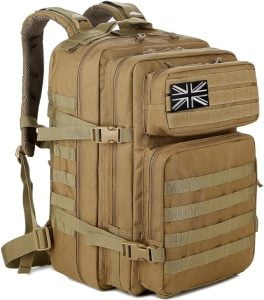
This is a classic example of a fairly good sized bug-out bag. This bag is super rugged, has a tonne of storage space (45L), pouches and buckles. While I’m a big fan of the khaki colour, it comes in everything from black, to bright red, purple, yellow and blues. For £40, you can’t go too wrong with a suitable bug-out bag.
Five Additional BOB Tips for UK Preppers
Store the Bag Wisely
Where are you going to keep your bag so that you can grab it in an instant? Quick access to your bug-out bag is crucial in an emergency, so its location needs to be both practical and strategic. Maybe under the stairs, in the shed, or potentially in the car boot. Consider places that are easy to reach but also secure.
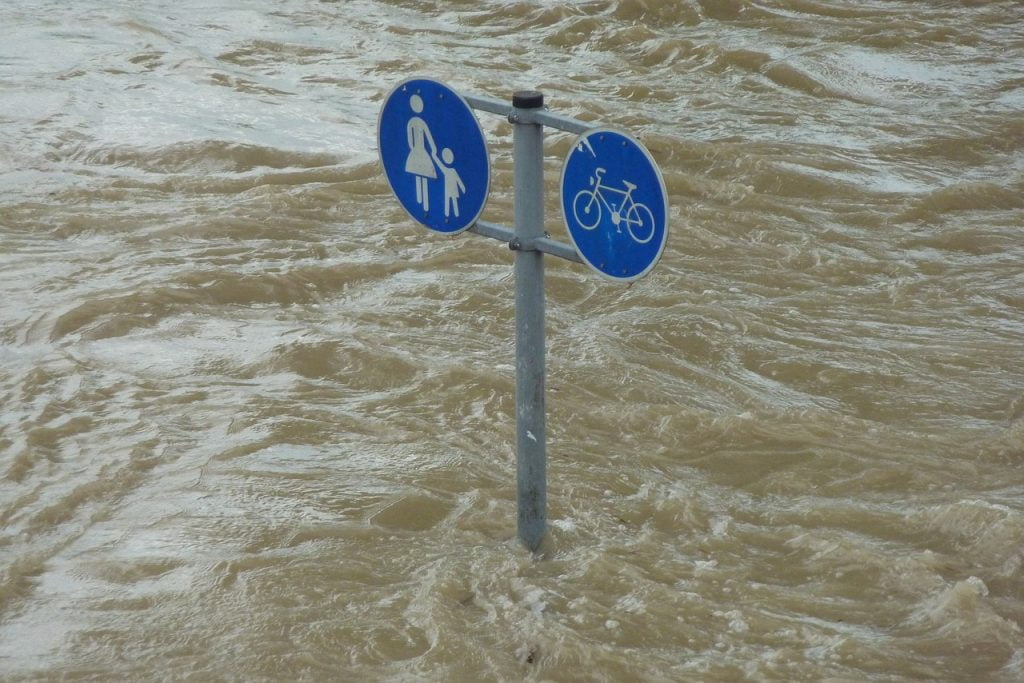
Also consider storing it off the floor, that way if you find yourself dealing with a flood scenario, your emergency bag will still be good to go.
Wherever you choose to store it, try to think of five situations where it wouldn’t be accessible. For example, if your car has gone into the garage for a service, but the bag is in the boot, this could leave you without your essential supplies when you need them the most.
Then come up with ways to mitigate the risk of that event happening. You might keep a secondary, smaller kit in the house for such situations, or have a trusted friend or family member store a duplicate bag. Perhaps consider alternative storage locations like a hall cupboard or a secure spot in the garage that isn’t dependent on your car. By anticipating potential obstacles and preparing for them, you can ensure that your bug-out bag remains accessible under various circumstances, thereby enhancing your overall readiness.
Choose Wisely
Choose clothing wisely. Pack layers for varying weather conditions and consider quick-drying and lightweight clothing. The ability to add or remove layers will help you stay comfortable in fluctuating temperatures and weather conditions. If in doubt, picture yourself in extreme weather scenarios—torrential downpour, snowy blizzard, or heat wave. What would you want with you?
In a torrential downpour, you’d want a waterproof jacket and trousers, along with moisture-wicking base layers. In a snowy blizzard, insulated layers, a warm hat, gloves, and thermal socks would be essential. During a heat wave, breathable, light-colored clothing that provides sun protection would be crucial. By anticipating these extreme conditions and packing accordingly, you can ensure you’re prepared for a wide range of weather situations.
Seasonal Calendar Reminder
Put a reminder in your calendar that recurs every 3 or 6 months. This reminder should prompt you to check that the correct seasonal items are in your bug-out bag. Ensure you have winter clothing such as warm jackets, gloves, and hats for colder months, and summer essentials like a sun hat, lightweight clothing, and additional water for hotter seasons.
Thankfully the weather in the UK, is less extreme than other countries, with only a few weeks a year being truly dangerous if unprepared against.
Additionally, it’s important to check the expiry dates on any food supplies you have packed, replacing items as needed to ensure they remain safe and nutritious. This is also an ideal time to check or replace batteries in any electronic devices or tools you have in your kit, such as flashlights or radios. By setting and adhering to these regular reminders, you can maintain the readiness and effectiveness of your bug-out bag throughout the year.
Annual Review
Once a year, sit down and review whats in your bug-out bag. Has the environment or world changed sufficiently for you to pack additional items? Have you changed (maybe new medications). Have you thought of additional items that could significantly improve your outcome if you needed to grab your bug-out bag.
Maybe change your seasonal review just before Christmas or your birthday to also include this annual review. That way any items you’ve got your eyes on may be a good present idea from a loved one.
Practise Using your Bug-Out Bag
Good practice goes a long way in a survival situation. Can you get to your bag in a flash, or has the cupboard it’s in been blocked up with old junk? Accessibility is crucial; ensure that your emergency supplies are always within easy reach. Can you still carry it long distances, or has it become too heavy or cumbersome to manage? Regularly check the weight and distribution of your bag to maintain its portability. Do you know what is in it, and importantly, what isn’t in it? An accurate inventory can be a lifesaver, ensuring you have all necessary items and aren’t burdened by useless ones.
Go for a hike with it. Test your endurance and the bag’s comfort by carrying it on different terrains and over various distances. Put up that tent and try on those clothes. This practical experience will help you become familiar with your gear and identify any potential issues before they become critical.
Do you and your gear fit inside the tent? Ensure the tent is spacious enough to accommodate you and your essential items comfortably. A cramped or ill-fitting tent can add unnecessary stress in a survival situation.
We can’t stress this enough; in an emergency, you really don’t want to be learning how to erect your tent for the first time, or find those trousers no longer fit! Practice makes perfect, and preparation is key. Make sure you know how to set up your tent quickly and efficiently, and regularly check that your clothes and other gear are still suitable for use. This proactive approach can make all the difference in a crisis.
Bug-Out Bag Conclusion
So in summary, here is a breakdown of the VERY basic essentials you need in your bug-out bag for the first 72 hours of survival:
- 3 litres of water, per person
- Energy bars and dried fruit
- Tarpaulin, with cords and pegs
- Bivvy / survival sack
- Homemade or pre-made first aid kit (check out our first-aid kit suggestions), consisting of:
- Medium and large plasters
- Antiseptic wipes
- Antibacterial gel
- Bandages
- Painkillers
- Prescription medications
- Personal medical equipment
- Small torch (and batteries, removed)
- Multi-tool with knife (Best Multi-Tools for Survival on a Budget [LINK])
- Lighter
- Whistle
- Paracord
- Waterproof coat
- Hat (suitable to season)
- Gloves (winter)
- Hiking boots / shoes
- Compass and local map
- Notepad and pencil
Creating a bug-out bag is an essential step in preparing for any unexpected situation in the UK. While writing these lists down, I came across multiple good resources, e.g. PCFD 72hr Survival Items (American but obv’ similar) and Survival Masters Kit ideas. Whether it’s a fairly inconsequential event that means you’re leaving home for a short period, or the country is literally tearing itself apart in a major crisis, a well-planned bug-out bag is essential. Having this bag ready can significantly increase your chances of staying safe and comfortable during any emergency, providing peace of mind knowing you are prepared for a range of scenarios.
By packing these essential items and considering your unique needs, you’ll be infinitely better equipped to handle any emergency that comes your way. Tailor the contents of your bug-out bag to your specific circumstances, such as medical conditions, dietary requirements, and personal preferences. Remember to regularly check and update your kit to ensure you’re always prepared, as your needs and experience change over time. Items can expire or become obsolete, so it’s crucial to review and refresh your supplies periodically to maintain their effectiveness and relevance.
Now you’ve read this article, check out how to make a £10 food shopping list for 72 hour survival supplies.

Post Comment
You must be logged in to post a comment.